
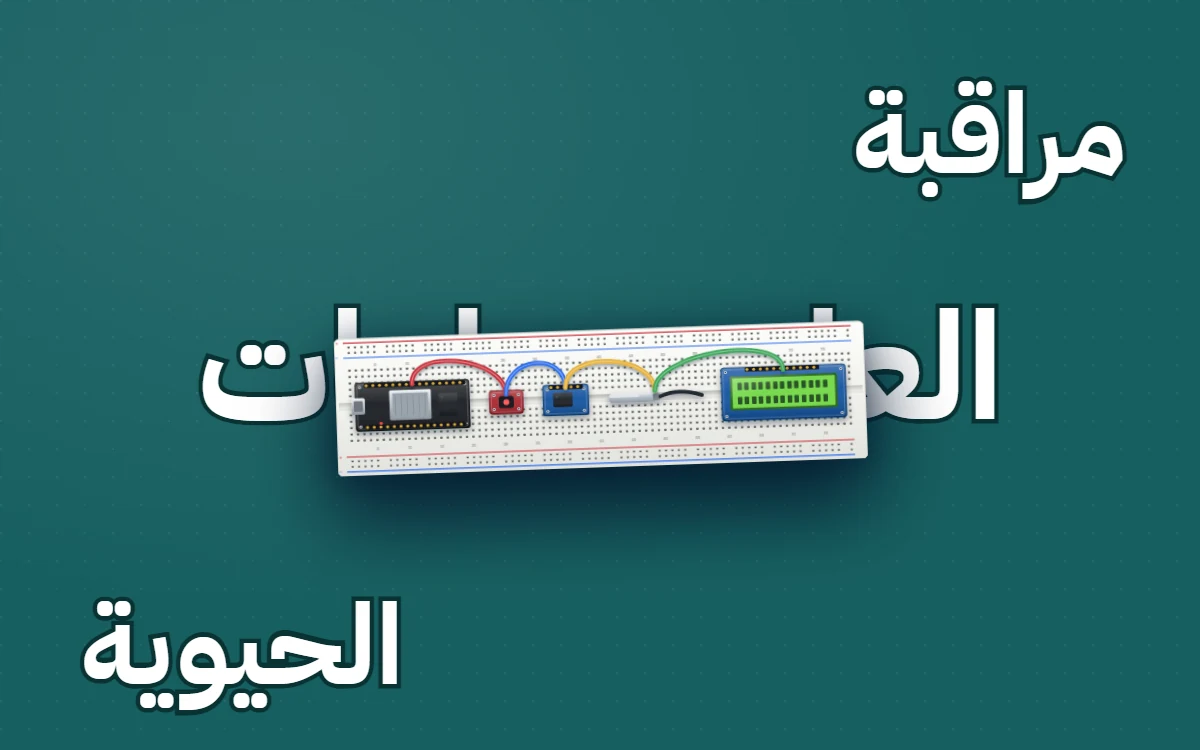
Patient vital-signs monitoring
A unit that continuously measures pulse, oxygen saturation, and temperature, shows the readings by the patient's bed and sends them to a dashboard, with an alert when they leave the normal range.
The problem
Elderly people living alone are the most vulnerable to a sudden health decline that nobody notices, and their families at work can't call them every hour. A clinic check gives one reading every few months, while decline happens in between. Continuous monitoring turns the question “how are they doing?” into real data available at any moment.
How it works
- MeasurementThe pulse and oxygen sensor reads from the fingertip, and the temperature sensor measures body temperature.
- ProcessingThe controller filters and averages the readings to avoid outliers.
- DisplayThe screen next to the patient shows pulse, oxygen level, and temperature live.
- UploadThe Wi-Fi module uploads the readings to an online dashboard.
- AlertsAny reading outside the set range triggers a local alarm and sends an alert to the patient's family.
Project features
- It addresses a clear social need: caring for the elderly.
- It can be demonstrated live by putting a finger on the sensor during the defense and watching the reading change.
- It combines vital sensors, IoT, and interface design.
- It can be extended later with blood pressure or ECG measurement.
- The dashboard presents the project as a complete product, not just an electronic circuit.
Parts
All the parts you need in one place. Remove what you already have, and swap parts to fit your budget. Parts with a photo are available in our store at their current price.
Prices are estimates and may change. Parts marked “other supplier” are ordered outside our main store.
Expected challenges
These are the main obstacles to expect during the build, laid out clearly so you know them before you start.
- Pulse sensor accuracy is strongly affected by finger movement and how hard it presses on the sensor.
- Skin temperature differs from body temperature, so calibration or a suitable contact sensor is needed.
- Telling an abnormal reading from a real emergency, since false alarms destroy trust in the system.
- Continuous operation: the system must run around the clock without stopping.
- Privacy of health data: it must be protected and not shown on an open dashboard.
The consultation gives you a solution for each one.
Expected committee questions
Prepare your answers in advance: these questions come up often in defenses of similar projects.
- How is the oxygen reading's accuracy verified against a certified medical device?
- What normal limits trigger the alert, and who set them?
- How are wrong readings caused by patient movement handled?
- How is the patient's data on the dashboard protected?
Similar projects
Projects close to this one in idea or parts. Check the differences before deciding, and borrow ideas you can add to your own project.
Students' experiences
Add a comment on the idea: +2 points. Or share your experience with photos of your build: +10 points. Every 50 points become a JD 5 discount voucher on parts orders.
Need solutions to the challenges and a complete technical path?
In the consultation we give you a solution for each challenge above, plus a practical build plan from the first step to the last: technologies, libraries, wiring diagram, timeline, and tips for the defense.
- Consultation session
- PDF with solutions and a plan
- 20 د.أ فقط
Share the project
This is an educational project for academic purposes — not a certified medical device, and not for diagnosis or a substitute for medical care.