
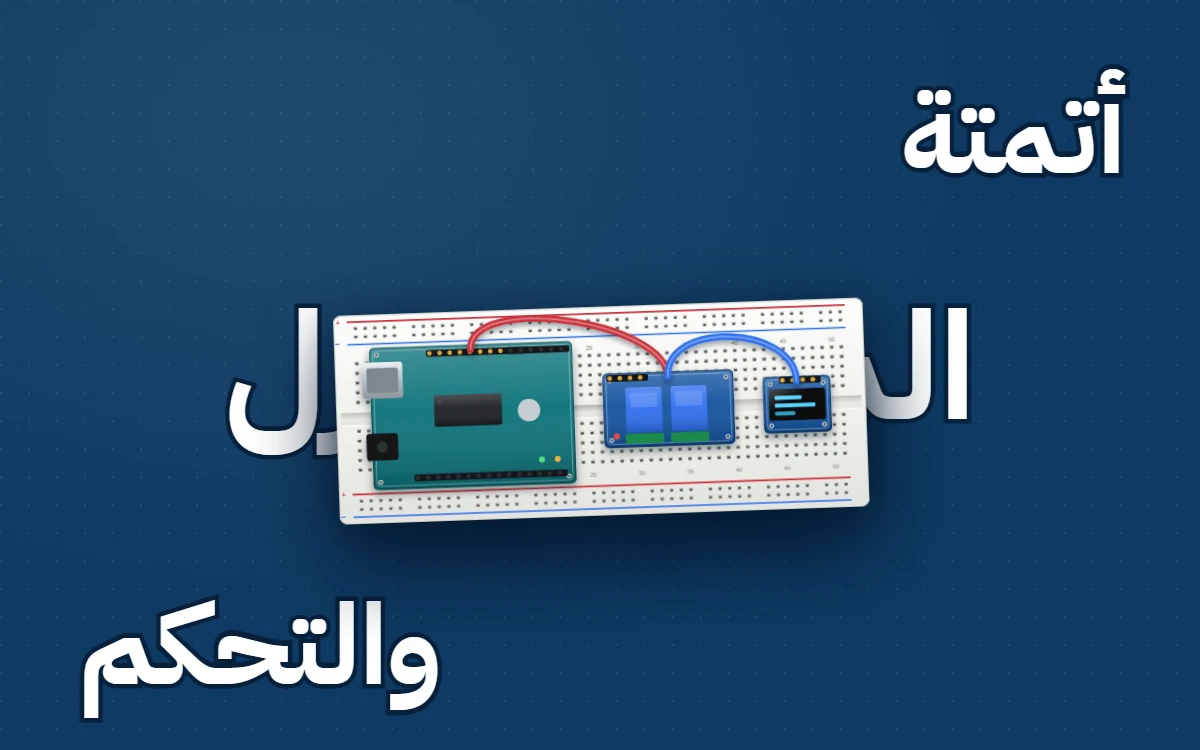
Home automation and remote control
Control your home's lights, fan, and appliances from your phone from anywhere, see each device's status live, and schedule them automatically.
The problem
It often happens that we leave home having forgotten to switch something off, and appliances left running for no reason quietly add to the bill. The problem isn't carelessness but being unable to check the devices without going home. When control is available from the phone, the question of whether the AC is off is settled in a second instead of nagging all day.
How it works
- CommunicationThe board connects to Wi-Fi and registers itself with the server.
- CommandThe user presses a button in the app, and the command reaches the board over the internet.
- ExecutionThe relay switches power to the requested device on or off.
- ConfirmationThe system returns the device's actual state, not just confirmation that the command was sent.
- SchedulingAutomatic on and off times can be set for each device.
- DisplayThe screen at home and the dashboard on the phone show the status of all devices.
Project features
- One of the simplest IoT projects to build, and a good fit when time is short.
- An instantly tangible result: lights turn on in front of the committee with a tap on the phone.
- Confirming the actual state instead of assuming it — a detail that makes a difference in grading.
- Easy to expand to more devices.
- A solid foundation for building more complex smart-home projects.
 Preparing the interactive model…
Part models from the libraries KiCad andEspressif (CC-BY-SA 4.0), lighting from Poly Haven. Click any part's name to zoom in on it.
Parts
All the parts you need in one place. Remove what you already have, and swap parts to fit your budget. Parts with a photo are available in our store at their current price.
Prices are estimates and may change. Parts marked “other supplier” are ordered outside our main store.
Expected challenges
These are the main obstacles to expect during the build, laid out clearly so you know them before you start.
- Dealing with 220 V — the most dangerous part, requiring proper insulation.
- The system must keep working manually when Wi-Fi is down.
- Confirming the actual state requires a feedback reading, not just remembering the last command.
- Access security: without protection anyone could control the house.
- Relay bounce causes repeated commands unless it's handled in software.
The consultation gives you a solution for each one.
Expected committee questions
Prepare your answers in advance: these questions come up often in defenses of similar projects.
- How does the phone communicate with the devices from outside the house?
- How is the system protected from strangers controlling the house?
- Why was reading the actual state added instead of relying on the last command?
- What safety precautions were taken when dealing with 220 V loads?
Similar projects
Projects close to this one in idea or parts. Check the differences before deciding, and borrow ideas you can add to your own project.
Students' experiences
Add a comment on the idea: +2 points. Or share your experience with photos of your build: +10 points. Every 50 points become a JD 5 discount voucher on parts orders.
Need solutions to the challenges and a complete technical path?
In the consultation we give you a solution for each challenge above, plus a practical build plan from the first step to the last: technologies, libraries, wiring diagram, timeline, and tips for the defense.
- Consultation session
- PDF with solutions and a plan
- 20 د.أ فقط